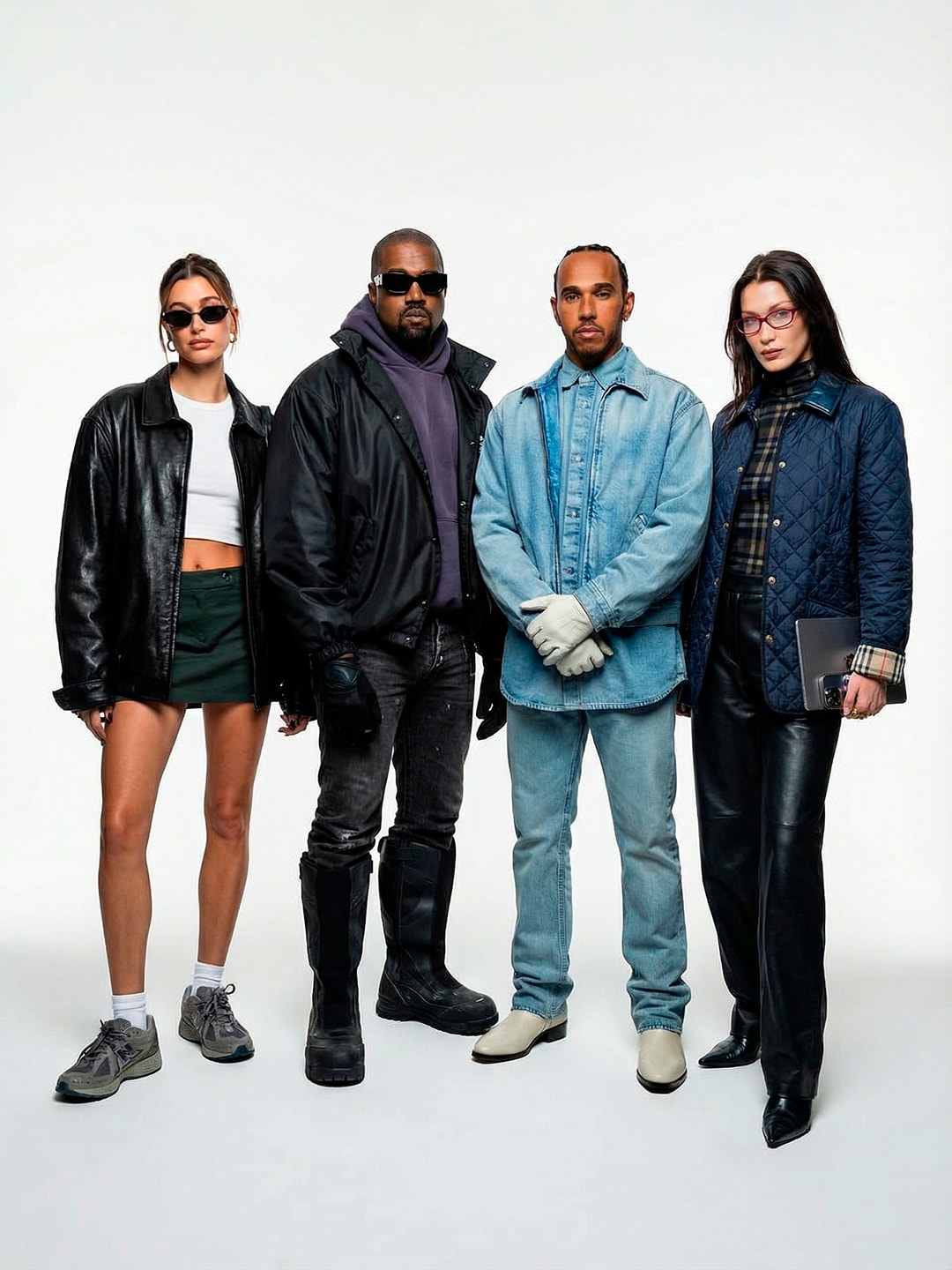
quiet luxury and loud poverty

why is it about the same thing?
that's it, the quiet luxury is over. everyone who a year ago was trying to find the "old money" in themselves, at least at the coat shade level, is arranging a "year without purchases" in 2025.
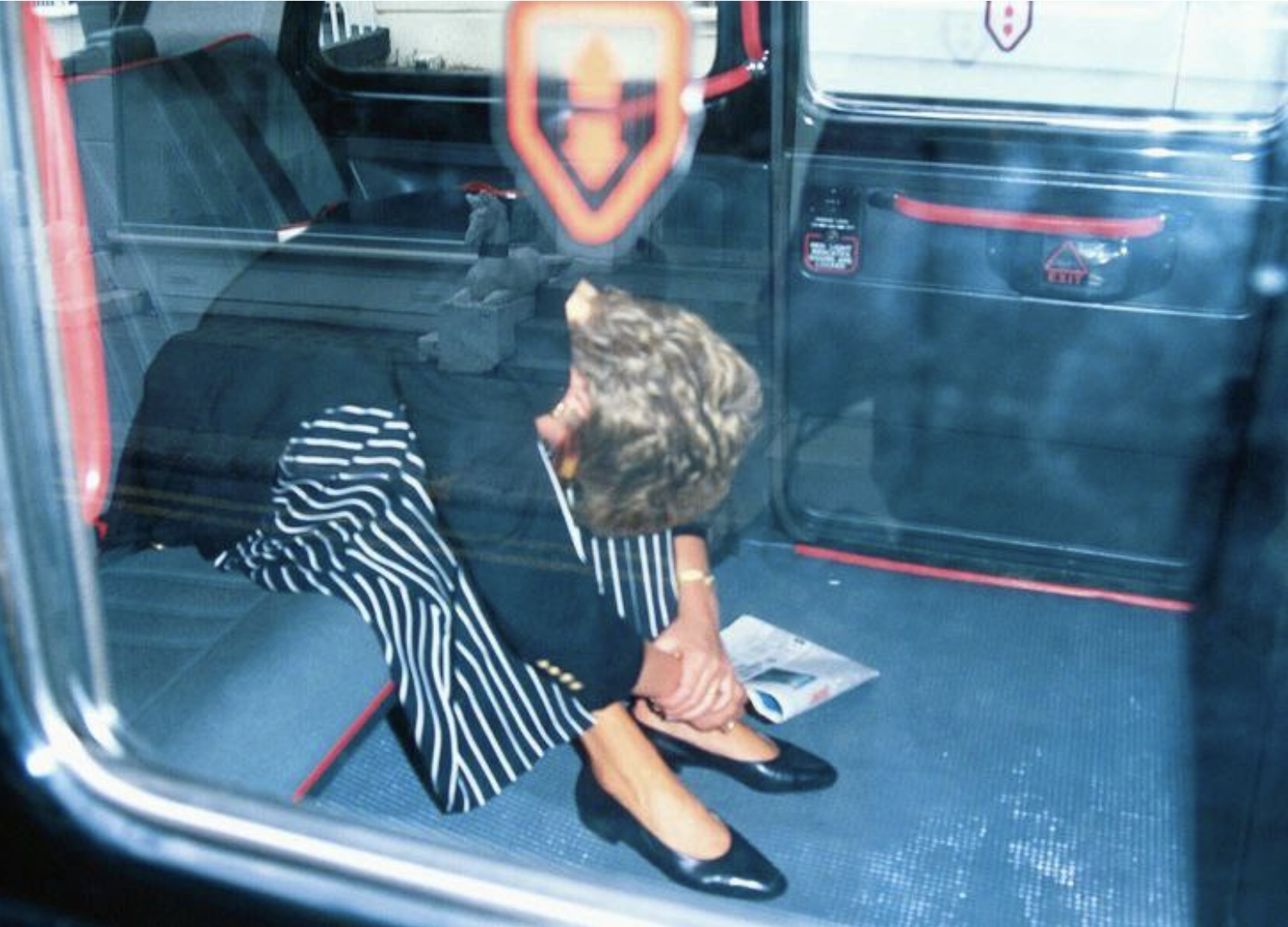
everything turned upside down? spoiler: no.
in fact, these two trends developed almost in parallel. in 2023, kylie jenner was already filming in a miner's look for acne. and in 2022, kim kardashian saved on filming by advertising balenciaga at home. like, look at me, i’m just like you.
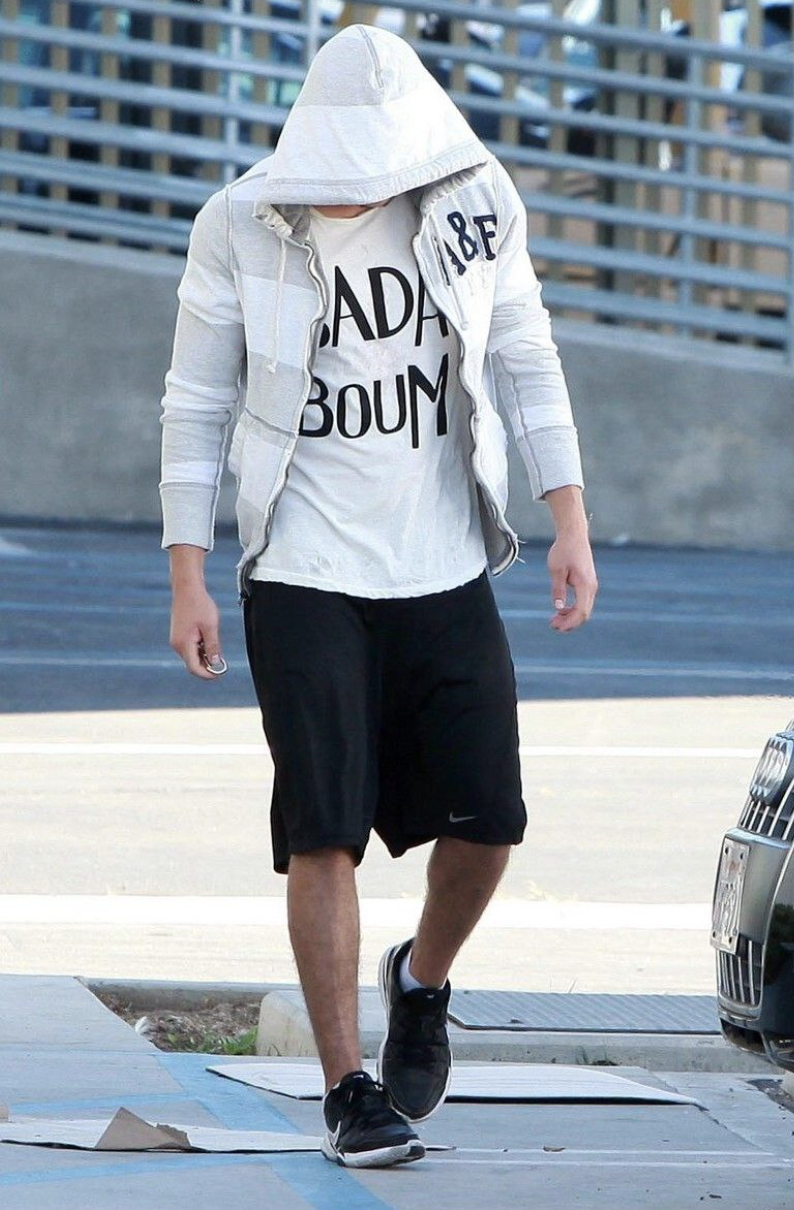
it's not about money. it's about power
what unites a Loewe shirt for a thousand dollars and a second-hand T-shirt with a hole at the chest? correct: both these items broadcast to the surrounding — I can afford it. in the first case — because I have money. in the second — because I don't care about it.
a girl in a beige coat without a single logo — is not necessarily a modest girl. perhaps, it's just Max Mara. and a guy in a stretched sweater — is not necessarily someone who missed the train and life. perhaps, it's intentional poverty core by Balenciaga. it all depends on who wears it and where it's photographed. you're not poor — you're poor "for fun". and unfortunately, that's a completely different thing.
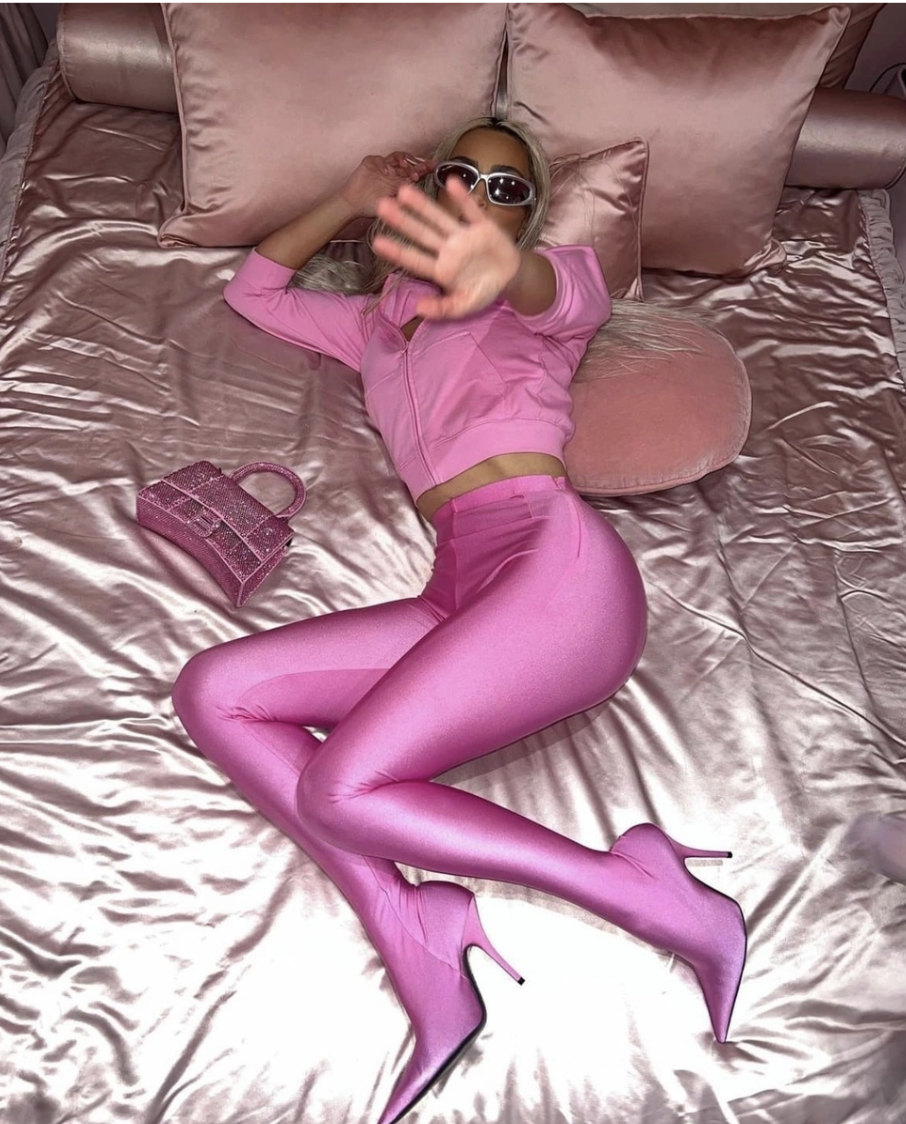
both here and there — the same subtext: I play in the system, but I'm not from it. all this is not about clothing. it's about how, once again, to make poverty fashionable and wealth — invisible.
but where did the desire to display one's status in this way come from?
time of anxious wallets
both trends — children of the same phenomenon: financial instability. When there is either a pandemic, inflation, or a mortgage costing the price of three kidneys outside the window, conspicuous consumption becomes not just bad taste but potentially dangerous behavior.
people who have everything suddenly start mimicking those who have almost nothing. No, not out of sympathy, but for reasons: "so as not to annoy".
and here comes into play "quiet luxury" — when you're sort of in beige, but the whole look costs as much as half a year's rent. no logos, but those who know — will understand. and this is key: to show belonging to the elite, but only "for those in the know."
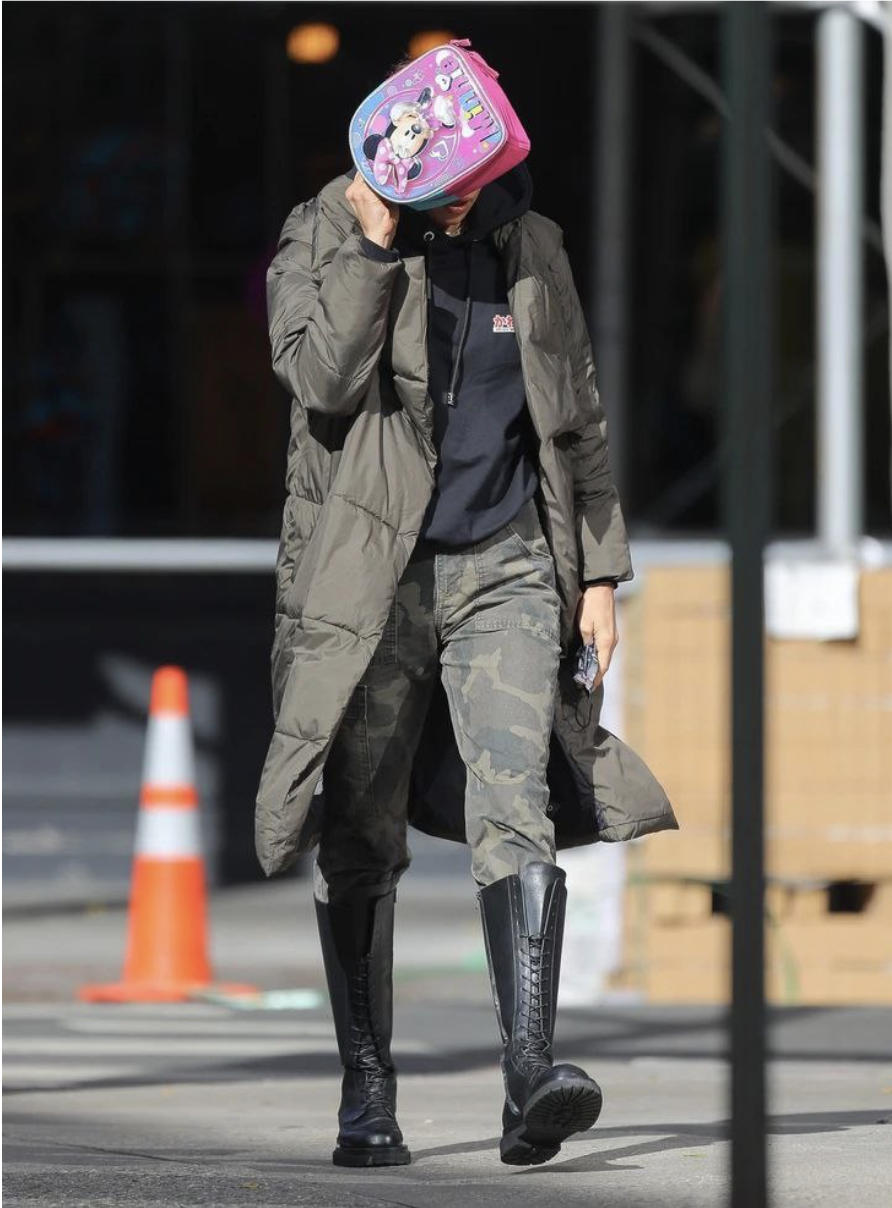
"loud poverty" — the same thing, only louder and with backlighting. it's not economy, but its glamorous version. torn t-shirts, old bags, even a yogurt cup instead of a mug — all this is not about need, but about choice.
it's important not just to reject consumption, but to reject it beautifully. to be aesthetic, with a filter, and preferably in the infofield. and, of course, all this has nothing to do with real poverty, where secondhand is not an alternative to balenciaga, but the only option.
economic turbulence has shifted the focus from bright consumption to quasi-asceticism. but the essence remains: things still speak for us. now they just do it more quietly — or, on the contrary, with unexpected audacity.
"quiet luxury" and "loud poverty" — two different accents in the same language. and in this language, money still speaks.