The rich must save the world

wes anderson made a film where everything is as usual: a perfect picture, burlesque adventures and a little bit of metairony. but this time behind the cardboard facade — not only aesthetics but also reflection on the state of society.

the action of the film takes place in the 1950s, but it reveals the fears of the 2020s: everything is collapsing, resources are running out, the economy is in a coma. at the center of the story is a swindler and genius ja-ja korda. he initiates the 'phoenician scheme' — a complex logistical construction that should feed his descendants for the next 150 years. and possibly half the continent as well.
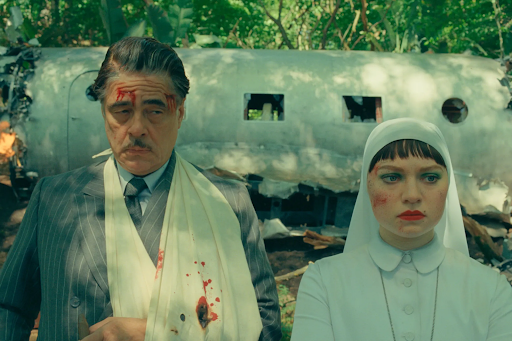
Korda — a person not pleasant. He maintains the level of hunger in the region so that the scheme works. He deceives partners, ignores children. But when everything starts to fall apart, it is he — with his dirty methods, backstage agreements, and papers in shoeboxes — who saves the project from collapse. Not a minister or a monk, but specifically an arms dealer and a person with dubious morals.
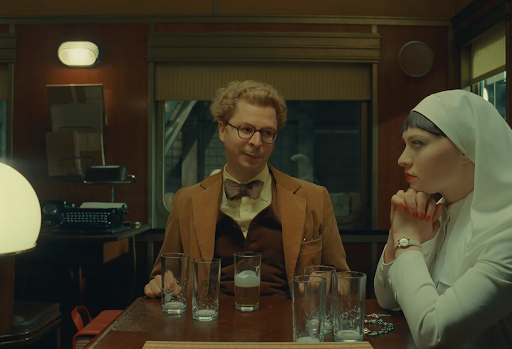
Korda changes when he spends more time with Lizl — his daughter who is going to become a nun. Together they go to negotiate with business partners, and Zsa-Zsa for the first time gets something like conscience. In the end, he makes a sacrifice as if to atone for all his past sins. Thanks to it, the Phoenician scheme comes to life.
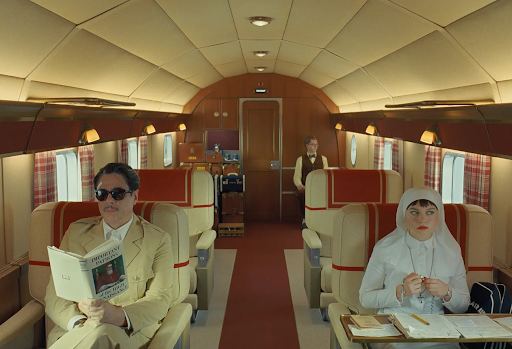
but would the hero have achieved the result if he had been law-abiding from the start? probably not. it is precisely due to his ambiguous and sometimes simply dishonest actions that he kept the system, which was ready to collapse at any second, in balance.
this character, by the way, is inspired by wes anderson's father-in-law — fouad malouf. the scene with shoe boxes, containing documents — is not a fiction: in reality, the director's wife received inheritance instructions in a similar style. in that case, who does wes anderson see himself as? perhaps a double agent who chose the side of zsa zsa instead of the state because he fell in love with her daughter.
and what can we then conclude from this story?
apparently, to believe that the world will be saved not by naive utopians, but by those who have skeletons in the closet, millions in the safe, but suddenly love in the heart.